THE GRIP PLATFORM
From everyday learning to lasting progress.
A connected approach to curriculum, teaching, practice and future planning for British and British international schools. GRIP brings the next step into focus — for the learner and for the people supporting them.

Start with the learning that matters
Effective support begins with the right context. A Year 7 topic, a GCSE specification and an A-level examination route may share a subject name, but they ask different things of a learner. GRIP places the subject, year group, examination board, specification and approved learning materials at the centre of the learning journey.
This gives teaching, homework and practice a shared starting point. The aim is a coherent experience: pupils understand what they are working towards, teachers can connect activities to their teaching, and progress has meaning within the curriculum the school actually follows.

Help pupils think their way forward
The AI Tutor is designed around progressive guidance. A pupil who is stuck needs a useful starting point: a question, a reminder of a principle or a hint that makes the next step possible. Revealing support gradually helps preserve the pupil’s ownership of the work.
Questions can begin with text, voice, a photograph or a document. The educational purpose remains the same: understand the difficulty, work through the reasoning and move towards independent performance. Support should make the learner more capable of completing the next task, rather than merely finishing the current one.

Connect the lesson to the homework
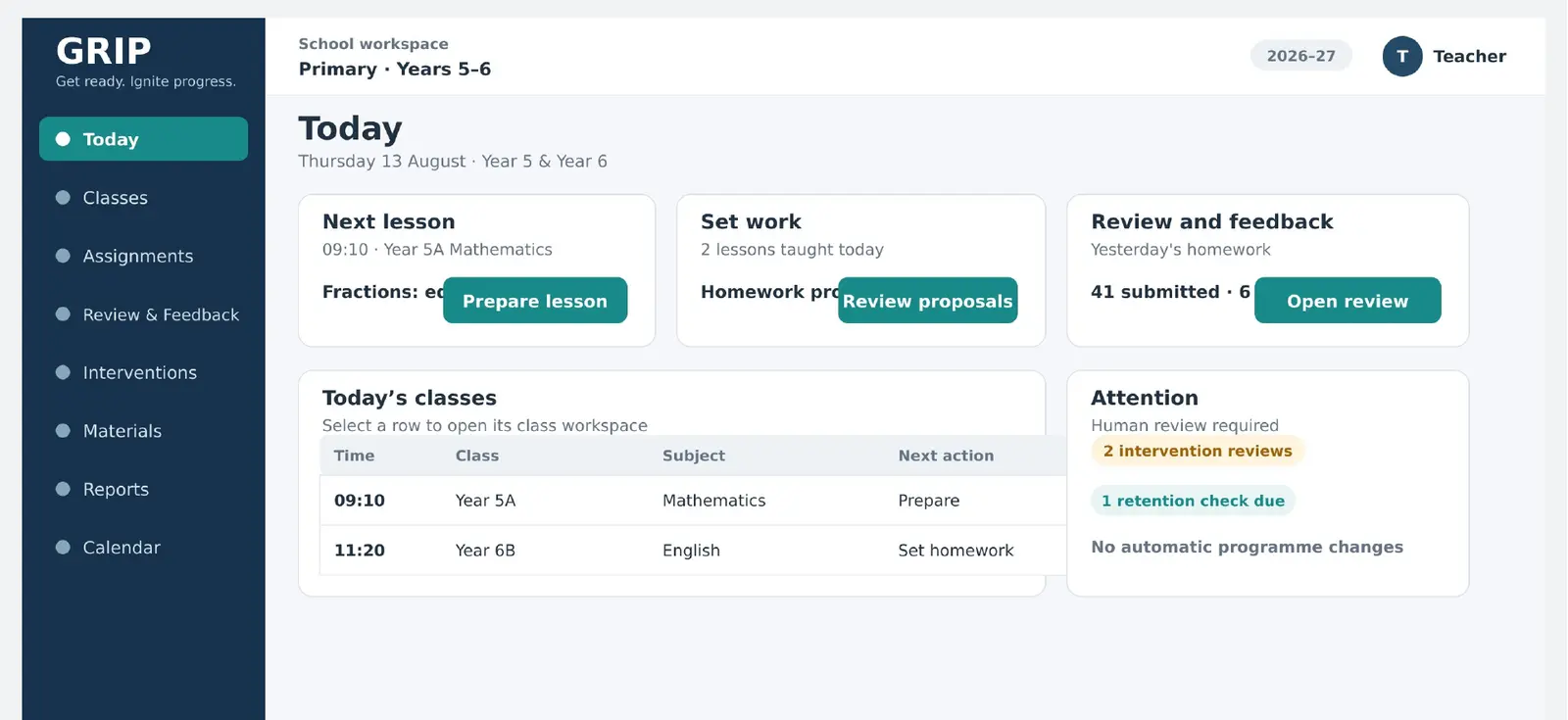
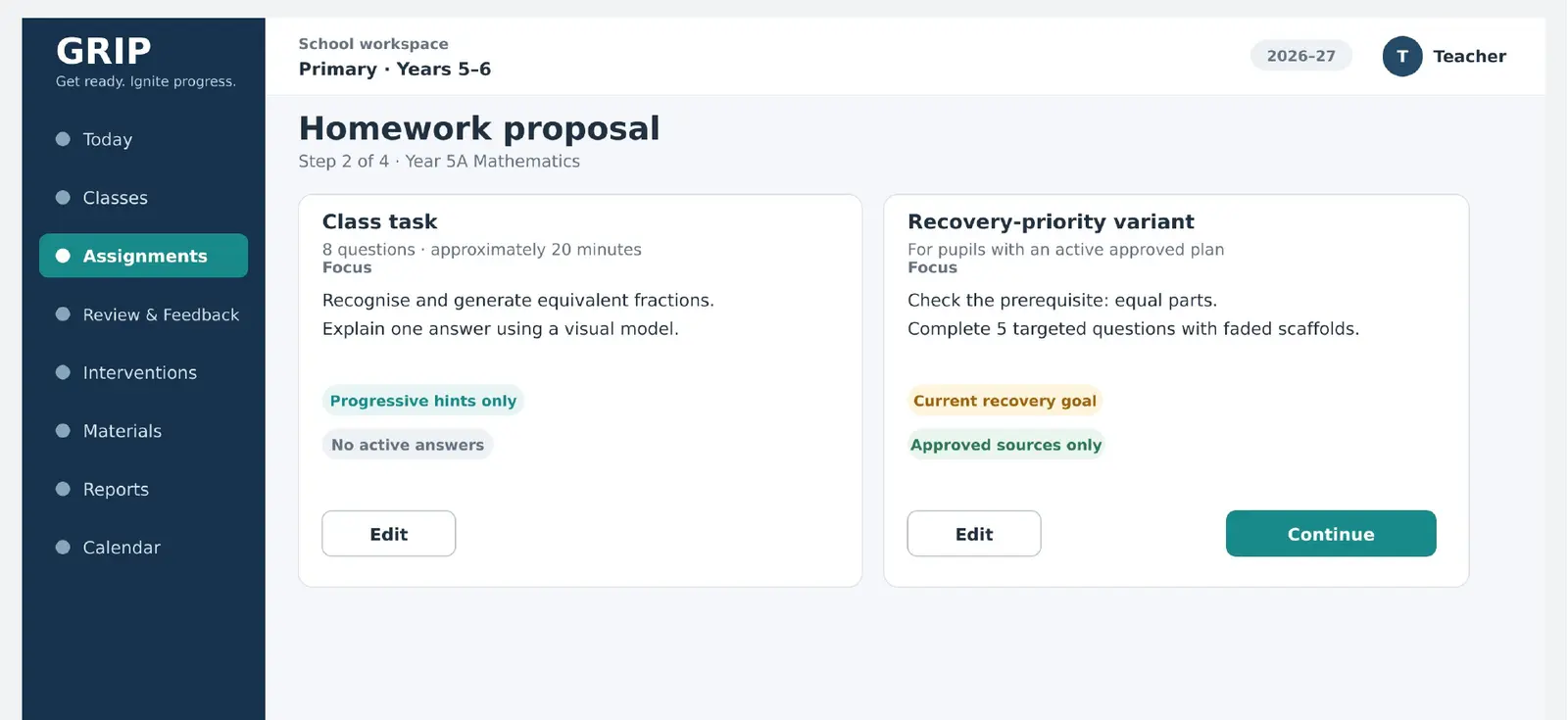
Teachers work with approved materials, their timetable and lesson preparation. That context carries into homework, so practice can reinforce what has been taught. Teachers review the proposed work and retain responsibility for what is assigned.
When work returns, the useful question is what it reveals. Which prerequisite is insecure? Which explanation needs revisiting? Which pupil is ready for a greater challenge? Linking preparation, practice and feedback helps make those decisions part of a continuous teaching process.
Turn a mistake into retained learning
A corrected answer is a starting point, not the whole story. GRIP’s learning cycle connects feedback with correction, equivalent practice and a later retention check. This makes space to establish whether understanding survives beyond the original task.
For sustained, evidenced gaps, Back on Track provides a targeted recovery route. Support focuses on prerequisites, practice and review against an approved standard. Teachers decide when the intervention is appropriate, monitor the evidence and retain authority over exit.
Keep future pathways connected
As learners move through school, present choices begin to shape future options. Curriculum progress, academic interests and preparation for the next stage belong in the same conversation. GRIP connects learning and progress with future planning, helping schools give that conversation continuity.
The core platform can be extended with BRIDGE for inclusion implementation and Supercurriculum for academic enrichment. Schools can explore these configurations in relation to their educational priorities and the work they want to coordinate.
A practical example: after a difficult lesson
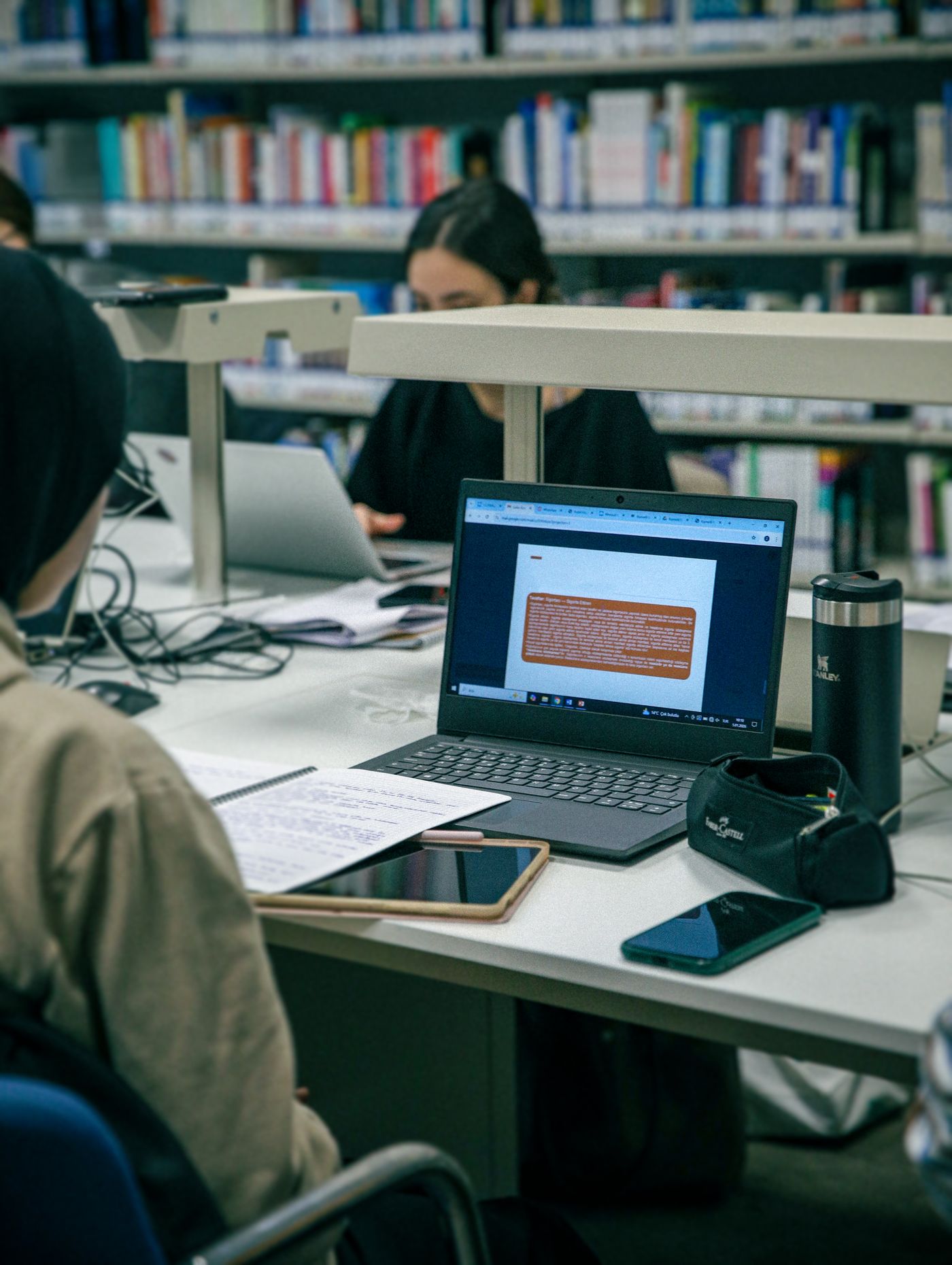
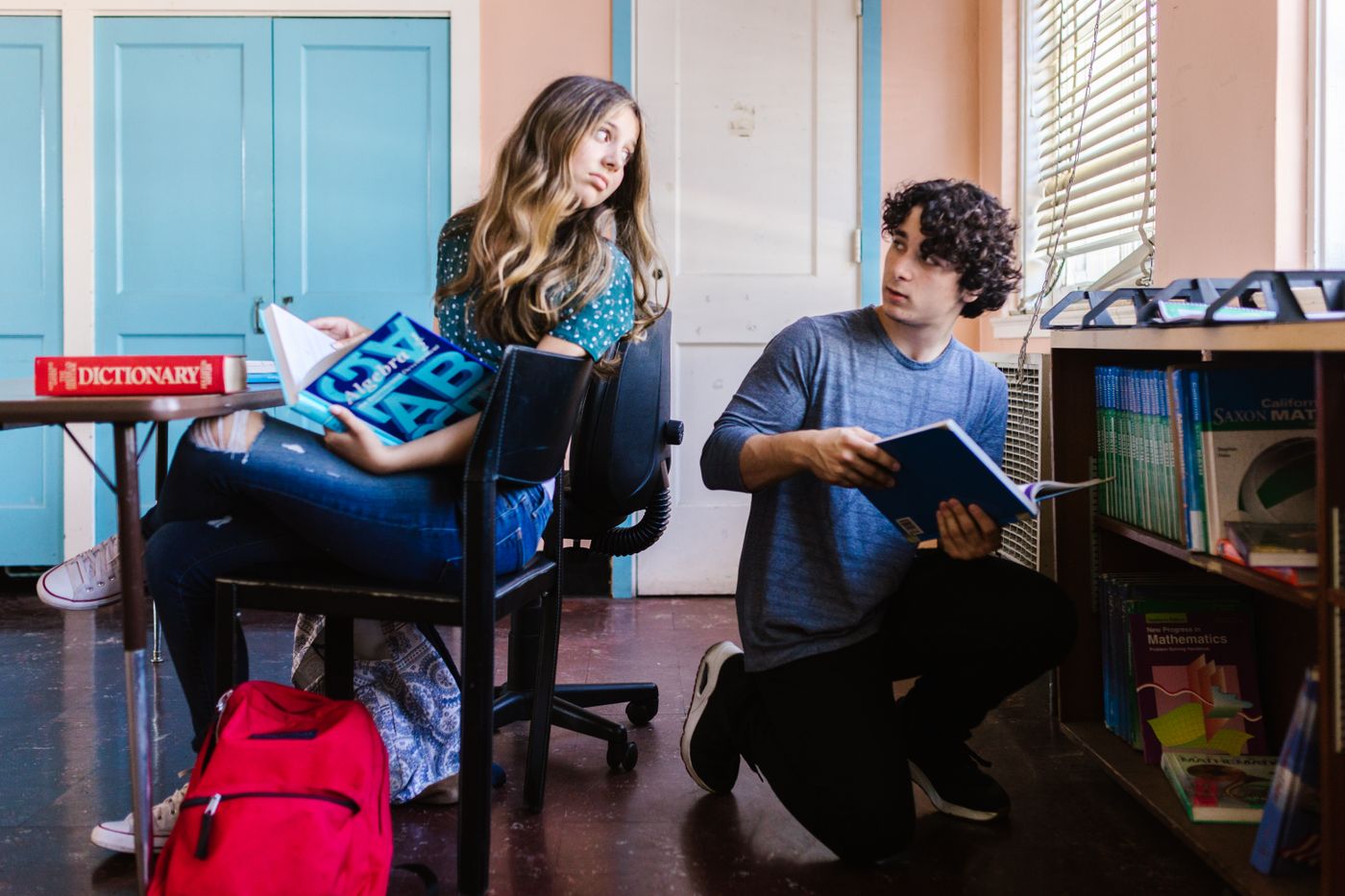
Consider a pupil who struggles with a multi-step mathematics problem. The teacher reviews the work and identifies an insecure prerequisite. The pupil receives a focused prompt, corrects the reasoning and practises an equivalent problem. A later check helps the teacher distinguish temporary success from retained understanding.
This is an illustrative workflow. Its value lies in connecting the steps: a difficulty becomes evidence, evidence shapes support, and subsequent work informs the teacher’s next decision. It does not promise a particular grade or replace professional judgement.
A CLOSER LOOK
Questions & answers
Which year groups does GRIP cover?
The platform is presented for Years 5–13 in British and British international education. Schools should align their chosen configuration with the curriculum and examination routes they teach.
Does the AI Tutor replace a teacher?
No. Teachers remain responsible for teaching decisions, approved content, formal interventions and assessment. The tutor provides guided support within that educational framework.
What is Back on Track?
It is a targeted recovery route for sustained, evidenced learning gaps, with prerequisite support, practice, retesting and teacher-led review.

CONTINUE EXPLORING